

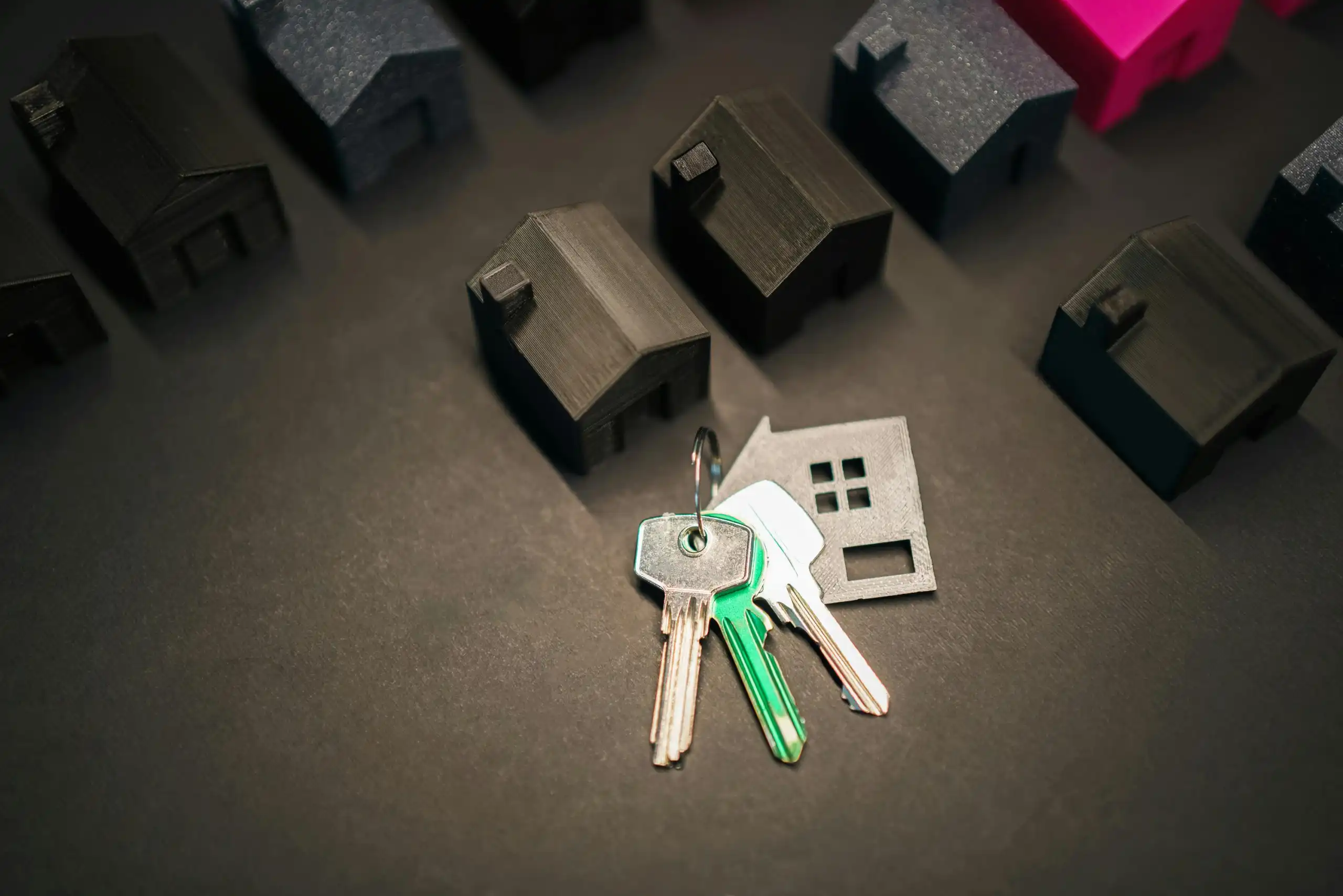
Few commitments are as enduring as a mortgage bond, which for most South Africans is 20 years. So the day a homeowner makes their final bond payment is a moment of profound relief and pride.
So now the property is finally yours, but rather than view it as a box that has (finally!) been ticked for good, the day your bond is settled shouldn’t be seen as the finish line. Rather, it is the beginning of a new chapter in your personal wealth journey.
“It’s a milestone that calls for a shift in perspective,” says Giel Viljoen, Principal at Leapfrog Stellenbosch. “A homeowner with a paid-off bond is a property investor with a significant, unencumbered asset.”
First things first
But before speaking to a trusted property advisor about your next investment, there are a couple of practical steps to take.
The first thing to do is to secure the deed. Once the bond is fully paid, the bank no longer holds the deeds as collateral so ensure you are in possession of the document and that it is stored in a secure, fireproof location.
Typically, the homeowner’s insurance is bundled with the bond. With the bank’s interest in the transaction removed, property owners are free to shop around for more competitive premiums or specialised coverage that reflects the current replacement value of the home.
Leaving the door open
There is always the option to keep a bond account open, even with a zero balance. “The so-called revolving credit facility is a mechanism that allows homeowners to access credit at a much lower interest rate than a personal loan or credit card,” explains Viljoen. He adds that this can serve as an emergency fund or even a ready source of capital in times of need.
But the more pertinent question to ask once the bond is settled is whether the property is still working for you. “In simple terms, it’s about knowing whether to hold, sell or reinvest,” Viljoen says. “A home is typically a significant portion of an individual’s net worth and what you do with it can play a defining role in your financial wellbeing.”
Hold, downscale or upgrade
Holding onto a property is especially savvy if the property is in a high-demand node with consistent capital growth. But holding doesn’t mean standing still – with a paid-off bond, this is the ideal time to use that redirected monthly “bond money” to upgrade the property’s value, be it a sustainable energy solution like solar or borehole systems.
As our lifestyles shift, so does what we need from a property. For example, a large family home can easily become a “lazy” asset when the children leave home. This is when the cost of maintaining the property is more costly than the utility it provides. This is when downscaling to a secure estate or a modern apartment can free up significant capital to be moved into more liquid investments or used to fund retirement.
Conversely, if you’ve built massive equity, you may be in a position to transition into a “forever home” or a luxury lifestyle estate without significantly increasing your monthly debt burden, thanks to the large deposit your current equity provides.
Expanding the property portfolio
Debt-free homeowners have the room to leverage that equity to start or expand a property portfolio.
“The equity in the paid-off property can now easily be leveraged to investment in another property. This is a very effective way of building wealth as you’re essentially using the bank’s money, supported by your own financial resilience, to create a new income stream,” Viljoen explains.
When it comes to finding the best-in-class investment property, his advice is to look in areas where the rental demand is high – typically near business hubs and good schools.
For a first-time investor, sectional title units often offer lower maintenance risks and better security, which can go a long way in attracting tenants.
“Whatever you do, don’t buy a second property because you like the kitchen. Buy it because it makes financial sense. The first consideration should be whether the projected rental income covers as much of the new bond – and other costs associated with the property – as possible,” Viljoen says.
The freedom of choice
The end of a bond can be the start of a journey defined by choice. “After that last bond payment, a homeowner goes from having to pay off debt to being someone who manages equity, and that’s very exciting,” Viljoen says.
Irrespective of whether you decide to reinvest in your current property, downscale in line with lifestyle needs or invest in a second property, the goal is always to ensure the property serves your long-term financial goals.