

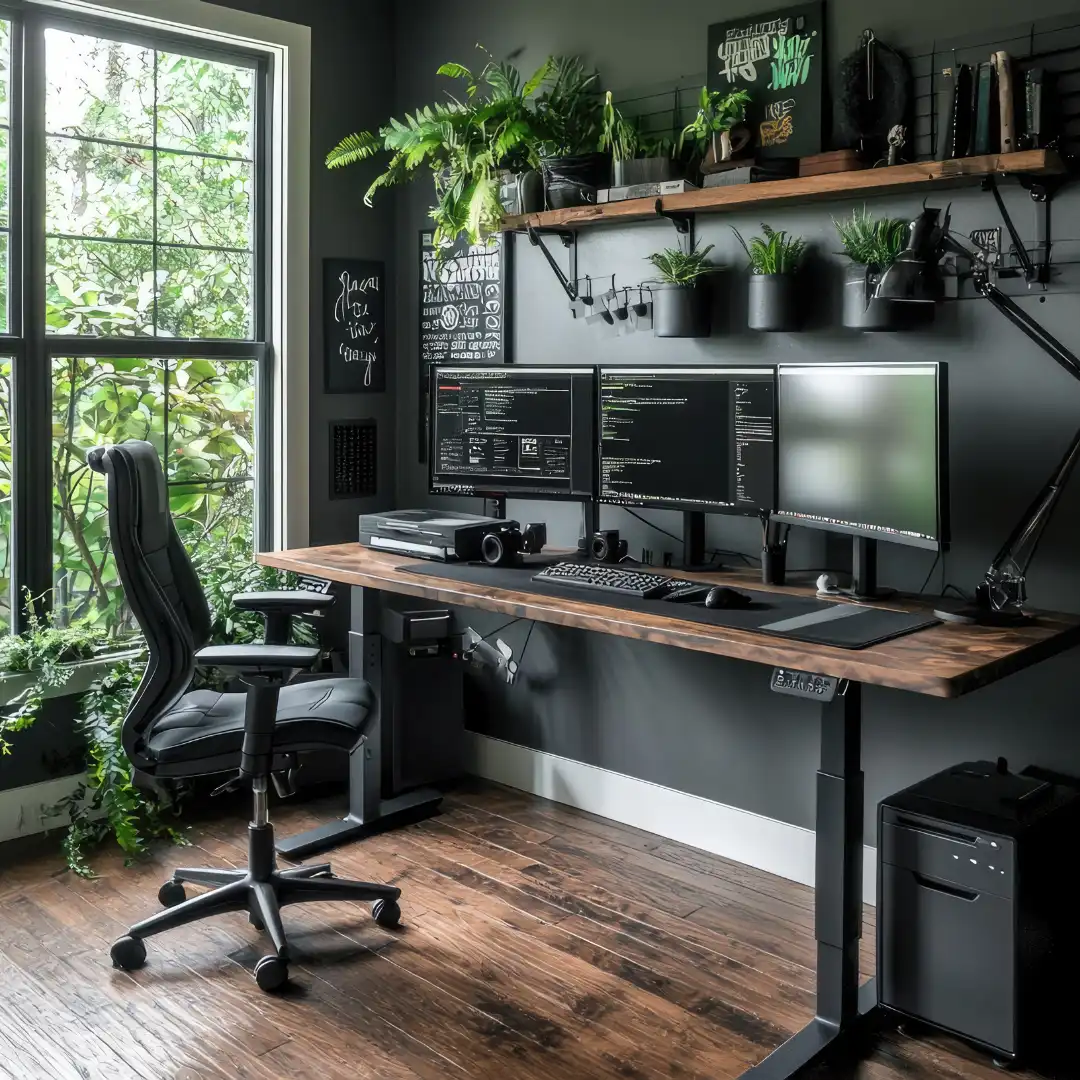
Work-from-home property design is no longer a temporary adjustment — it’s a structural shift in how South Africans live, buy, and design their homes. In 2026, buyers aren’t just asking, “How many bedrooms?” They’re asking, “How does this home support my lifestyle and productivity?”
From garden office pods to flexible multi-use spaces, the modern South African home is being reimagined around work-life integration, not separation.
Here’s how Hybrid working homes in South Africa are changing property design — and what it means for buyers and sellers.
1. The Rise of the Dedicated Home Office (That Actually Works)
In 2020, a dining table and a laptop were enough. In 2026? Not anymore.
Today’s buyers expect:
- A separate, quiet workspace
- Strong natural light
- Built-in storage
- Reliable high-speed connectivity
- Sound insulation for virtual meetings
In lifestyle estates across Gauteng, the Western Cape, and KZN, we’re seeing homes marketed with “executive studies” or dual office spaces — particularly appealing to couples who both work remotely.
Seller tip: If you don’t have a formal study, stage a spare room or unused nook as a polished office space. Buyers need to see the possibility.
2. Garden Office Pods & Outbuildings
One of the most exciting trends in South African residential design is the freestanding garden office pod.
Compact, private, and separate from the main house, these structures offer:
- Complete focus away from household noise
- Flexible future use (studio, guest suite, rental room)
- Increased property appeal
In suburbs where space allows — from Durbanville to Ballito to Pretoria East — these pods are becoming strong value-add features.
They also align with another growing priority: work-life boundaries. Walking across the garden to “go to work” creates a psychological separation many professionals crave.
3. Co-living & Multi-Generational Flexibility
Hybrid working has also reshaped family dynamics. With greater location freedom, many South Africans are choosing to live closer to parents, adult children, or extended family.
This has driven demand for:
- Dual-living layouts
- Self-contained cottages
- Separate entrances
- Upstairs/downstairs independence
Co-living doesn’t mean compromise — it means flexibility. A granny flat might serve as:
- A rental income stream
- A private office
- A space for ageing parents
- Accommodation for adult children working remotely
Homes that support adaptable living arrangements are performing particularly well in 2026.
4. Ergonomic Interiors & Wellness-Focused Design
Hybrid work has brought wellness into sharper focus. Buyers are now paying attention to how a home supports:
- Natural light exposure
- Air quality and ventilation
- Comfortable flooring for long hours indoors
- Space for movement, yoga, or home gyms
Designers are responding with:
- Adjustable built-in desks
- Acoustic panelling
- Biophilic elements (indoor plants, natural materials)
- Neutral, calming palettes
The home is no longer just a place to rest — it’s a place to produce, create, and recharge.
5. The Multi-Purpose Room: The New Must-Have
Perhaps the biggest shift? The disappearance of single-purpose rooms.
In 2026, buyers love:
- Guest bedrooms that double as offices
- TV rooms that convert into Zoom spaces
- Dining rooms redesigned as collaborative work areas
- Loft spaces used as creative studios
Flexibility sells. Homes that offer adaptable square meterage feel more future-proof.
6. Outdoor Living as a Work Extension
South Africa’s climate gives us a unique advantage.
Covered patios, courtyards, and garden decks are increasingly being styled as:
- Informal meeting spaces
- Quiet reading corners
- Laptop-friendly relaxation zones
Indoor-outdoor flow — always desirable — now supports professional productivity as well as leisure.
What This Means for Buyers
If you’re house-hunting in 2026, consider:
- Does this home support two remote workers?
- Is there enough privacy for video calls?
- Can spaces adapt as my work needs change?
- Is connectivity reliable in this area?
- Could an outbuilding become an income stream?
The right property should not only match your lifestyle today — it should evolve with you.
What This Means for Sellers
If you’re preparing to sell:
- Clearly showcase work-from-home areas in listings
- Highlight fibre availability and connectivity
- Emphasise solar and backup power systems
- Present flexible rooms with intentional staging
- Market dual-living potential where applicable
Buyers are scanning listings for these features. Make them visible.
Hybrid work hasn’t diminished the importance of home — it has amplified it.
In South Africa, where lifestyle and space remain strong value propositions, homes that blend productivity, privacy, and comfort are commanding serious attention.
The future of residential design isn’t about bigger homes.
It’s about smarter, more adaptable ones.
And in 2026, that adaptability is no longer a luxury — it’s a necessity.
If you’re buying or selling in a market shaped by hybrid work, working with a property professional who understands these shifts makes all the difference.