

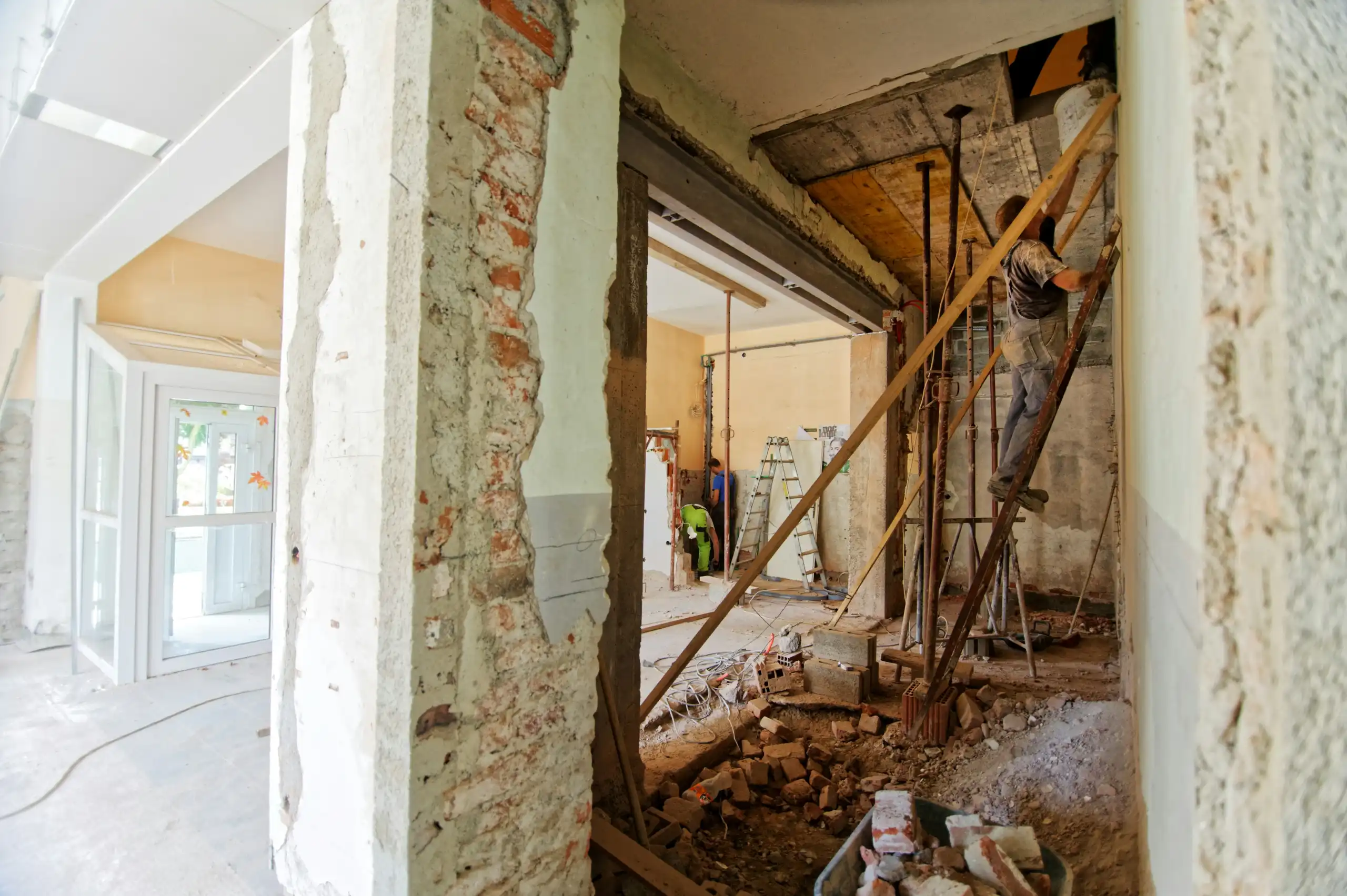
Major home renovations promise improved living spaces and increased property value, but without proper legal compliance, projects can quickly stall. Before the first wall comes down, homeowners need to understand the regulatory framework governing construction work.
According to Skoko Sebola, Principal at Leapfrog Midrand, preparation is important. “We often see homeowners dive into projects based on emotion, but the legal framework is what ensures your investment is actually protected,” he explains. “Being ready for a renovation isn’t just about having the budget in place. It means being legally compliant.”
Sebola emphasises the transactional risks. “We regularly see sales fall through or prices drop significantly when unapproved building work is discovered during the transfer process. It’s much easier to get it right from the start than to fix it later.”
Minor works vs major renovations
The regulatory requirements depend entirely on the scope of your project. Minor works include internal changes that don’t affect the building’s structural integrity or its external footprint. These typically don’t require municipal approval. Replacing kitchen cupboards, updating bathroom fixtures, or repainting falls into this category.
Major renovations trigger regulatory requirements. The moment you alter load-bearing walls, change the building’s footprint, modify the roof structure, or convert a room’s intended use, you’ve entered regulated territory. Converting a garage into a flatlet, for instance, constitutes a major renovation requiring full approval.
The distinction matters because unapproved major work creates serious consequences. “Trust your agent’s market analysis; unapproved structures often hold no legal value in a transaction,” Sebola warns. “Buyers view properties with unapproved structures as high-risk, frequently demanding substantial price reductions or walking away entirely.”
Navigating municipal plan approval
The National Building Regulations and Building Standards Act requires municipal approval for major construction. The process begins with engaging a registered architect or senior draughtsperson from the South African Council for the Architectural Profession (SACAP).
Every property has building lines. These are invisible boundaries determining how close you can build to property boundaries and the street. If your project extends beyond these lines, you must apply for a departure or relaxation, which is a formal municipal application that allows you to build closer to your property boundary than zoning rules normally permit. This adds significant time and typically requires neighbour consent.
Sebola advises patience during this stage. “Homeowners often want to rush the municipal approval process, but cutting corners here creates legal complications that can take years to resolve. The waiting period is frustrating, but it’s protecting your property rights.”
The 60-year heritage rule
Many established suburbs face an additional regulatory layer. Under the National Heritage Resources Act, any structure older than 60 years requires provincial heritage approval before demolition or significant alterations.
“Even if the house isn’t a famous landmark, the age itself triggers a requirement for provincial heritage approval,” Sebola warns. “We’ve seen homeowners shocked to discover their ordinary suburban home falls under heritage protection.”
Proceeding without heritage approval can result in criminal charges or orders to restore the property to its original state. “Heritage violations carry real legal implications,” Sebola notes. “It’s not unheard of to be asked to demolish completed renovations because the necessary approvals weren’t in place.”
Managing neighbour relations
Construction is disruptive. It is therefore essential to communicate with your neighbours. When renovations require building line relaxations, zoning changes, or land use modifications, municipalities mandate written neighbour consent. You also need permission to demolish or alter shared boundary walls.
“A fair, respectful approach opens the door to conversation,” says Sebola. Provide neighbours with project scope, timeline, and contractor contact information. Written communication documents good faith and reduces potential regulatory complications.
The cost of cutting corners
Municipal records are permanent. Unapproved work discovered during future sales can create expensive problems, such as reduced property values, delayed transactions, or the need for costly retroactive approvals. Building insurance can become void for unapproved work, leaving homeowners exposed to risk.
Protecting your investment
Successful renovations require treating regulatory compliance as non-negotiable. Verify your property’s age, engage SACAP-registered professionals, obtain heritage approval if required, and maintain communication with neighbours.
Sebola’s advice is straightforward: “Think of compliance as insurance for your investment. The paperwork might seem tedious, but it’s what separates a valuable asset from a potential liability.”