

There was a time when a property’s value was judged almost entirely by location, size, and finishes. That calculation has changed. In a country where load shedding, water restrictions and rising utility costs have become part of everyday life, what keeps a home running when the grid doesn’t is increasingly as important as the number of bedrooms it has.
“Buyers used to ask about location and the size of the property first,” says Giel Viljoen, Principal at Leapfrog Stellenbosch. “Now, other important elements that buyers consider are things such as solar, backup power, and water security. That tells you how much the definition of a “good” property has shifted.”
Energy independence has moved from a nice-to-have to a necessity
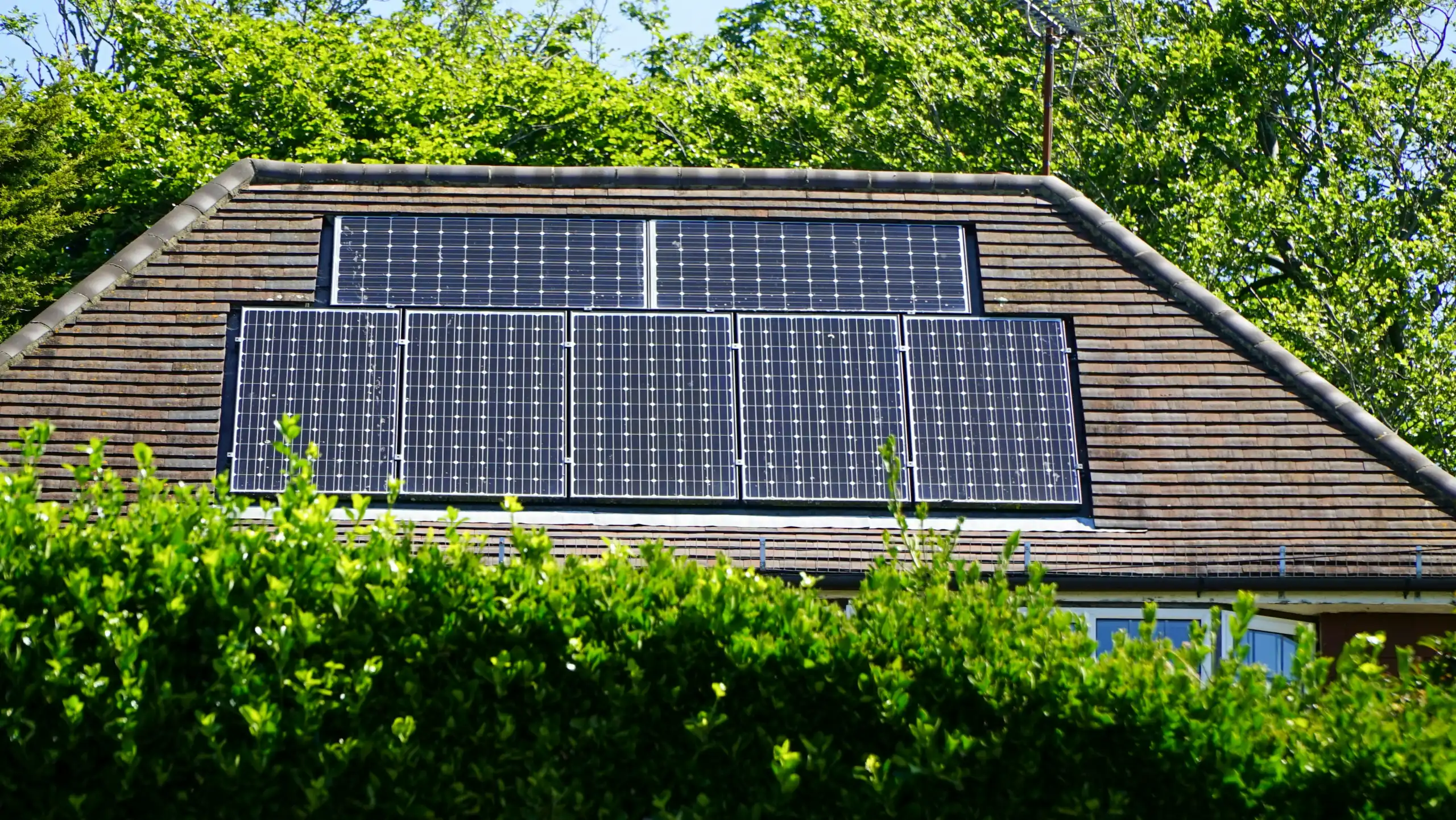
Solar panels, inverters, and battery storage used to be premium add-ons reserved for luxury homes. Now, however, across the market, properties with functioning backup power are seeing stronger interest and, in many cases, better offers, because buyers are pricing in the cost and disruption of outages as a real, ongoing expense rather than an occasional inconvenience.
Water security is catching up fast
Boreholes, wellpoints, greywater systems, and adequate storage tanks are following a similar trajectory to solar a few years ago. It used to be something niche, but now it’s increasingly expected, particularly in areas with a history of water restrictions. A home that can maintain water supply through a restriction period offers genuine peace of mind that buyers are now willing to pay for.
Connectivity is infrastructure too
With work-from-home, content creation and side-hustles now at their peak, reliable fibre and mobile coverage have become as essential as electricity and water for many households. A property in a beautiful location with unreliable connectivity may prove a harder sell than it would have been five years ago.
Security infrastructure protects more than the property itself
Many homeowners and tenants view security such as alarm systems, electric fencing, access control, and estate-level security as protecting physical assets. But they also protect resale value, insurance premiums, and, in many cases, the ability to attract good tenants in the first place. In security-conscious markets, buyers now assess this infrastructure almost as closely as the property’s structural condition.
What buyers should actually be checking
Viljoen advises that you don’t just ask if a property has solar: “Ask how old the system is, what its capacity actually covers, and whether it’s been properly maintained. The same goes for boreholes and water systems. You want a system that has been serviced so that it doesn’t become a liability down the line.”
A useful exercise for any buyer is to mentally run the property through a worst-case scenario: What will you need in an extended outage, a water restriction or a security incident? Ask for an honest answer on whether the infrastructure in place would see them through it comfortably, or leave them scrambling.
Why this matters for sellers too
For sellers, this is an opportunity to market their house a bit differently. If they have a well-documented, well-maintained setup of solar capacity, water backup, verified connectivity, and security infrastructure, it is a strong selling point that can be used as key highlights of the property.
“More often, we are seeing buyers ask if a property can function off the grid for a period of time,” says Viljoen. “The properties that can answer that with a yes are the ones standing out in this market.”
For decades, selling and buying property looked at the same tickboxes: good location, good schools, safe neighbourhood, decent bones.
“Of course those things still matter, but they no longer give the full picture of a property. The homes holding their value best in 2026 are the ones that keep functioning, quietly and reliably, no matter what the grid or the municipality is doing that week,” Viljoen concludes.